A Gentle Approach to Supporting Recovery
Recovering from a concussion can be a frustrating and deeply personal journey. While many people feel better within days or weeks, others continue to experience lingering symptoms. Symptoms that affect daily life, work, school, sleep, mood, and overall well-being. When concussion symptoms last longer than expected, this is often referred to as Post-Concussion Syndrome, or PCS.
For individuals searching for gentle, supportive, and holistic care, CranioSacral Therapy may be worth exploring as part of a broader recovery plan. At CranioSacred Austin in Round Rock, Texas, Rachel Carter provides CranioSacral Therapy with a calm, skilled, and highly individualized approach for clients seeking support after concussion-related challenges.
What Is Post-Concussion Syndrome?
A concussion is a mild traumatic brain injury that can occur after a blow, jolt, fall, accident, sports injury, or sudden movement that causes the brain to shift inside the skull. Post-Concussion Syndrome can occur when symptoms continue beyond the expected recovery window.
Common post-concussion symptoms may include headaches, dizziness, neck pain, light sensitivity, sound sensitivity, fatigue, sleep disruption, brain fog, difficulty concentrating, memory challenges, mood changes, anxiety, and feeling easily overwhelmed. Cleveland Clinic notes that PCS symptoms can involve physical, cognitive, sleep-related, and emotional effects, and that recovery timelines vary from person to person. (Cleveland Clinic)
Because concussion recovery can be complex, anyone experiencing ongoing symptoms should be evaluated by an appropriate healthcare provider first. CranioSacral Therapy is not a replacement for medical care, neurological evaluation, emergency treatment, physical therapy, vision therapy, or other prescribed treatment. Instead, it may be considered a complementary therapy that supports relaxation, comfort, and nervous system regulation.
What Is CranioSacral Therapy?
CranioSacral Therapy, often called CST, is a gentle, hands-on bodywork technique that focuses on the craniosacral system, which includes the membranes and fluid surrounding the brain and spinal cord. Practitioners use very light touch to evaluate areas of tension or restriction and encourage the body toward a more relaxed, balanced state.
Unlike deep tissue massage or forceful manipulation, CST is subtle and noninvasive. Sessions are typically quiet, slow, and deeply calming. The client usually remains fully clothed while resting comfortably on a treatment table.
Cleveland Clinic describes CranioSacral Therapy as a complementary treatment that may be used alongside other forms of care and lists post-concussion syndrome among the conditions for which some people seek CST. (Cleveland Clinic)
Why People Explore CST After a Concussion
After a concussion, many people become highly sensitive to stimulation. Bright lights, loud sounds, busy environments, screens, stress, physical tension, and poor sleep can all make symptoms feel worse. The nervous system may feel as though it is stuck in a heightened state of alert.
CranioSacral Therapy is often sought because it is gentle, quiet, and designed to work with the body rather than push against it. For clients dealing with post-concussion symptoms, the goal is not to “force” recovery, but to create an environment where the body can settle, soften, and better access its natural ability to heal.
Many clients seek CST for support with:
- Headaches and head pressure
- Neck and shoulder tension
- Jaw discomfort or facial tension
- Sleep disruption
- Stress and anxiety after injury
- Physical overwhelm
- Difficulty relaxing
- A feeling of being disconnected from the body
- Nervous system dysregulation
It is important to understand that outcomes vary. Some people report meaningful relief, while others may need different or additional forms of care.
What Does the Research Say?
Research on CranioSacral Therapy for post-concussion symptoms is still limited. However, there is growing interest in how gentle manual therapies may support people experiencing persistent symptoms.
A published pilot study explored the use of CranioSacral Therapy for people with post-acute concussion symptoms and Post-Concussion Syndrome, focusing on patient-reported experiences and perceived clinical outcomes. (PubMed) Another case series examined CST combined with visceral and neural manipulation in patients with post-concussion syndrome and reported improvements in areas such as pain intensity, range of motion, memory, cognition, and sleep after a series of sessions. (PubMed)
The Role of the Neck, Head, and Nervous System
Concussion symptoms do not always come only from the brain itself. Many people also experience strain through the neck, jaw, shoulders, and connective tissues following a fall, whiplash injury, sports collision, or car accident. Tension in these areas can contribute to discomfort, headaches, restricted movement, and a general feeling of unease.
CranioSacral Therapy is often focused around the head, neck, spine, sacrum, and surrounding soft tissues. By using a light and attentive touch, a trained practitioner may help the body release patterns of tension and shift toward a calmer state.
For clients who feel sensitive, guarded, or easily overstimulated after a concussion, this gentle approach can feel especially supportive.
What to Expect During a CST Session for Post-Concussion Support
At CranioSacred Austin, Rachel Carter takes a personalized approach to each session. Before beginning, she will typically discuss your symptoms, injury history, comfort level, and any medical care you are currently receiving.
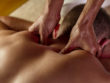
During the session, you will usually lie fully clothed on a treatment table in a quiet, comfortable setting. Rachel may gently place her hands near the head, neck, shoulders, spine, sacrum, or feet. The touch is light, steady, and never forceful.
Clients may experience deep relaxation, warmth, subtle movement, a sense of release, slower breathing, emotional softening, or simply a quiet sense of rest. Some people notice changes immediately, while others feel the effects gradually over the next day or two.
Because post-concussion symptoms can fluctuate, communication is important. A skilled practitioner will work slowly, respect your nervous system, and adjust the session based on how your body responds.
Why Choose Rachel Carter at CranioSacred Austin?
CranioSacral Therapy is highly specialized work. It requires patience, sensitivity, training, and the ability to listen carefully to the body through subtle touch. Rachel Carter of CranioSacred Austin has specialized in CranioSacral Therapy for years. She is known for her calm presence, gentle approach, and intuitive understanding of the body.
Clients often seek Rachel’s care because they want more than a routine massage or standard bodywork appointment. They are looking for someone who understands the importance of creating a safe, restorative environment where the nervous system can begin to unwind.
Rachel’s work is especially valuable for individuals who may feel overwhelmed, sensitive, or physically guarded after an injury. Her sessions are designed to be respectful, personalized, and supportive from start to finish.
CST as Part of a Larger Concussion Recovery Plan
Post-Concussion Syndrome can require a team-based approach. Depending on symptoms, recovery may include medical care, rest guidance, gradual return to activity, physical therapy, vestibular therapy, vision therapy, cognitive support, sleep support, mental health care, and lifestyle adjustments.
CranioSacral Therapy may fit into this plan as a complementary therapy that supports relaxation, body awareness, and relief from tension. It can be especially appealing for people who want a gentle option that does not involve aggressive pressure or high stimulation.
Before beginning CST after a concussion, it is wise to consult with a healthcare provider, especially if symptoms are severe, worsening, or recently developed.
When to Seek Medical Care Immediately
Anyone with a recent head injury should seek urgent medical attention if they experience worsening headache, repeated vomiting, seizures, loss of consciousness, increasing confusion, weakness, slurred speech, unequal pupils, severe drowsiness, unusual behavior, or symptoms that rapidly worsen.
CranioSacral Therapy should only be considered after appropriate medical evaluation when there is concern about a concussion or head injury.
A Gentle Path Toward Support and Restoration
Living with post-concussion symptoms can feel discouraging, especially when progress is slow or unpredictable. Gentle therapies like CranioSacral Therapy may offer a supportive way to help the body settle, release tension, and move toward a deeper state of rest.
At CranioSacred Austin in Round Rock, Rachel Carter provides compassionate CranioSacral Therapy for clients seeking a gentle, educational, and whole-body approach to wellness. Her work is thoughtful, individualized, and rooted in respect for each client’s unique healing process.
Schedule CranioSacral Therapy in Round Rock, Texas
If you are exploring CranioSacral Therapy for post-concussion support, CranioSacred Austin offers a calm and welcoming space to begin. Rachel Carter works with clients throughout Round Rock, Austin, Cedar Park, Georgetown, Pflugerville, Hutto, Leander, and the surrounding Central Texas area.
Contact CranioSacred Austin today to learn more about CranioSacral Therapy and whether this gentle approach may be a helpful addition to your post-concussion recovery plan.